Why Your Lower Back Keeps Hurting: 5 Overlooked Causes and How PT Helps
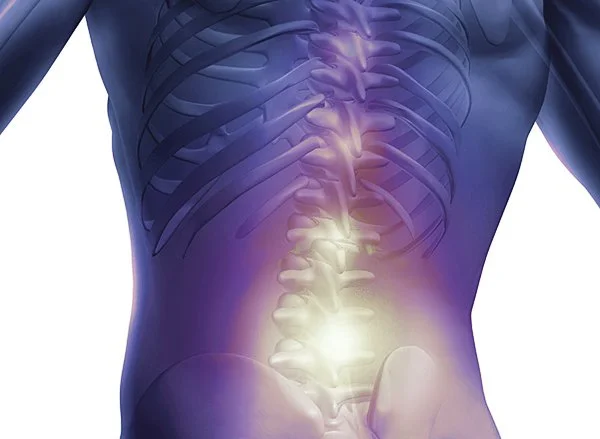
Lower back pain is one of the most common reasons people seek help from a physical therapist. It can show up as a dull ache, a sharp pinch, or a feeling of tightness that never fully goes away.
What surprises many people is that the root cause of their pain often has little to do with the lower back itself. The body works as one connected system, so weakness or imbalance in one area can overload another.
Here are five often overlooked reasons your lower back keeps hurting, and how physical therapy can help you finally break the cycle.
1. Weak Core Stabilizers
When most people hear the word core, they think of crunches or visible abs. In reality, your core is a group of deep muscles that stabilize your spine during every movement. If these muscles are weak or not firing properly, your lower back works overtime to compensate. This can lead to strain, fatigue, and chronic pain. A physical therapist can assess which muscles are underperforming and design a targeted program to improve stability through exercises like dead bugs, planks, and breathing-based activation.
2. Poor Hip Mobility
Your hips and lower back move as a team. If your hip joints are stiff, your spine often absorbs the extra motion meant for your hips. Over time, this uneven load irritates the joints and tissues in your lumbar spine. Limited hip rotation and tight hip flexors are especially common in people who sit for long periods. Physical therapy helps by improving hip mobility through manual therapy, stretching, and strengthening exercises that restore balance between the hips and spine.
3. Glute Weakness
Your glutes are some of the strongest muscles in your body, and they play a huge role in supporting the lower back. When these muscles are weak, other smaller muscles take over and become overworked. This chain reaction can trigger low back pain during everyday activities like walking, standing, or lifting. A physical therapist can guide you through movements that activate and strengthen your glutes, such as bridges, clamshells, and controlled step-downs.
4. Muscle Imbalances from Daily Habits
Sometimes the problem comes from the small things you do every day, like standing with your weight shifted to one side, carrying a heavy bag on the same shoulder, or consistently sleeping in positions that twist your spine. These habits can create uneven tension in your muscles and gradually pull your body out of alignment. Physical therapy helps identify these patterns and correct them through posture coaching, ergonomic adjustments, and personalized home exercises.
5. Stress and Tension
Many people are surprised to learn that stress can cause real, physical back pain. When you are stressed, your body can enter a constant state of muscle guarding. This tension often settles in the lower back, causing stiffness and discomfort that feels like a structural issue but is actually muscular. Physical therapists address this through breathing techniques, mobility work, and strengthening exercises that help the body relax and move more efficiently.
How Physical Therapy Helps You Heal
Our physical therapists do not just treat the pain site. They look at your entire movement system to find the root cause. This approach may include hands-on manual therapy to reduce tension, corrective exercises to restore proper muscle function, and education on posture and daily habits. With consistent guidance and the right plan, most people can significantly reduce or eliminate lower back pain and return to the activities they enjoy.
Another important benefit of physical therapy is that it teaches you how to move with confidence again. Many people with chronic pain start to avoid certain positions or activities because they fear making the pain worse. This fear can actually lead to weaker muscles and more stiffness, which continues the cycle of discomfort. Physical therapists help break that cycle by gradually reintroducing movement in a safe and structured way. You learn how to lift, bend, twist, and exercise without triggering your symptoms. Over time, this builds not only physical strength but also trust in your body, which is essential for long-term recovery.
Contact Aim
If you have a question about our physical therapy, call us, and we'll provide you with our professional opinion. We are ready to support you during your healing journey.
Call or Text us today: (310) 937-2323